Double Gloving Guidelines: What U.S. Teams Should Follow
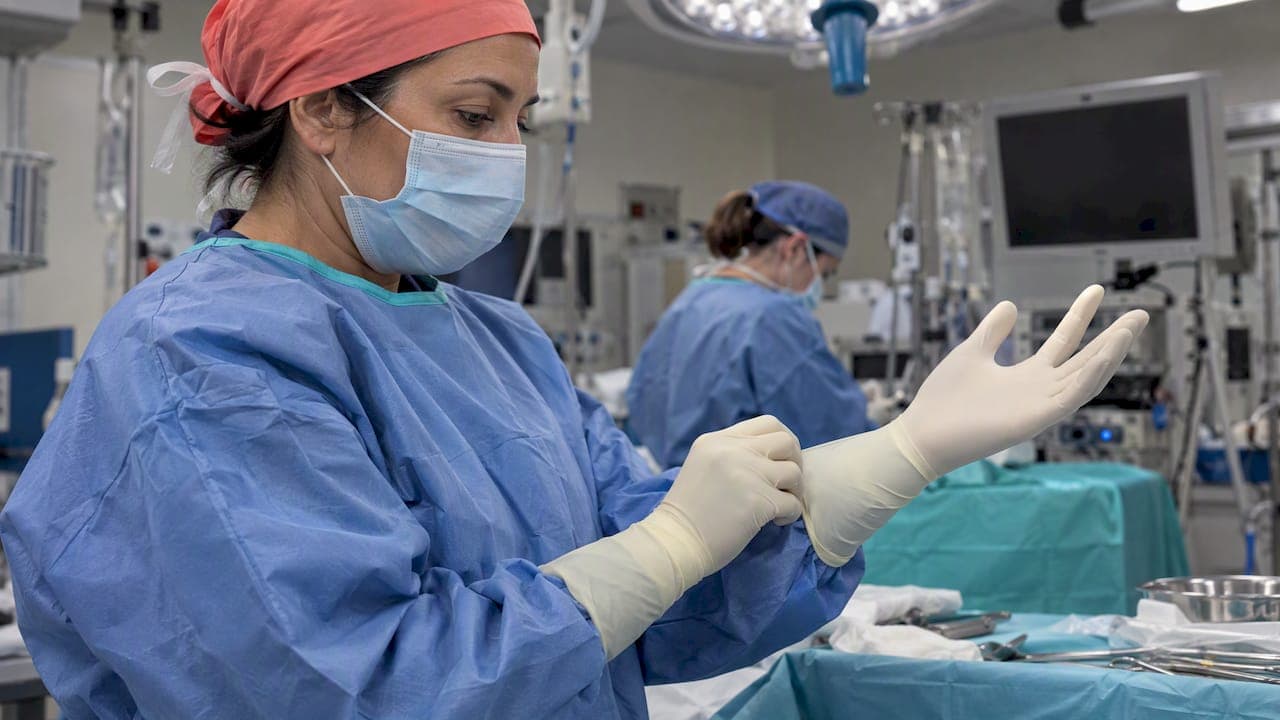
What CDC, OSHA, AORN and WHO say about double gloving, when to do it, how to don two pairs, and what procurement teams should stock for compliance.
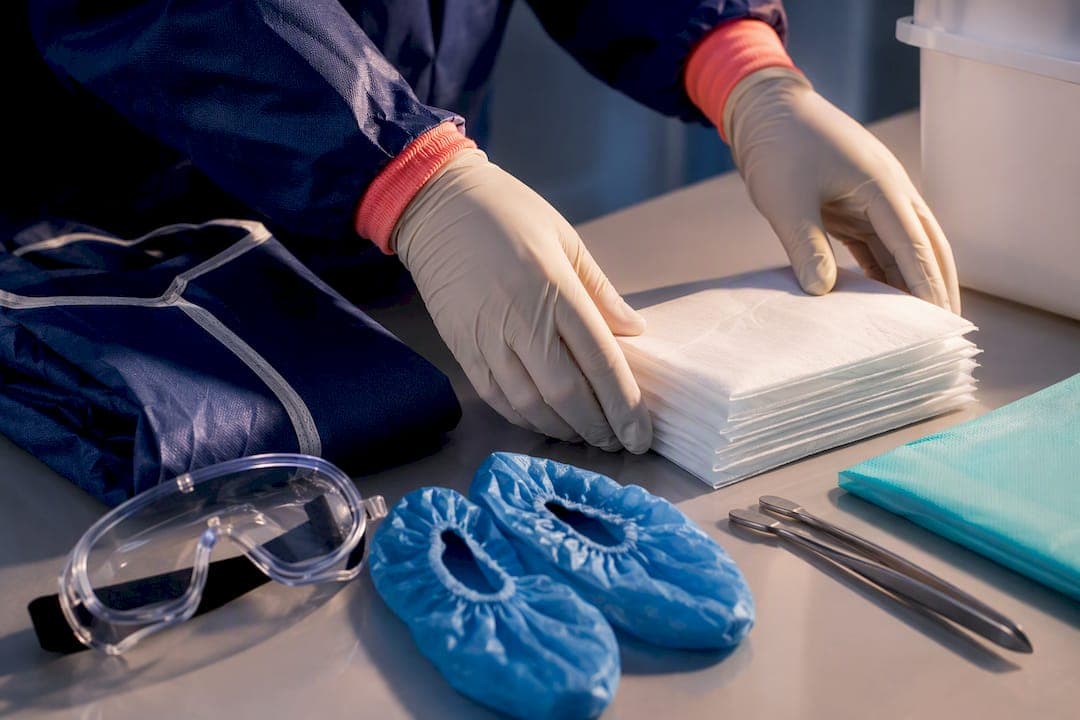
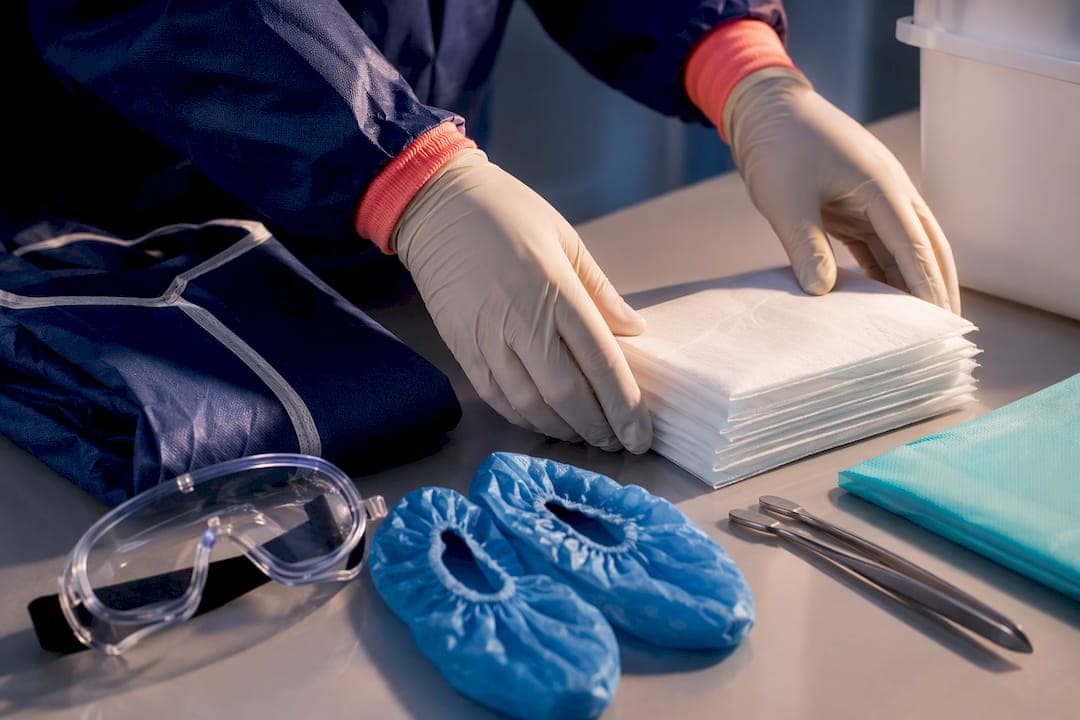
A complete chemo spill kit contains extended-cuff nitrile gloves, an impermeable gown, eye and respiratory protection, absorbent pads or solidifier granules, a scoop and scraper, low-lint wipes, a chemo waste bag, twist ties, and biohazard labels, an instruction card, and caution signage. Gloves and gowns should meet USP <800> handling expectations, and glove material should be tested to ASTM D6978. Some agents, like BCG, need disinfectants the standard kit doesn’t include.
TL;DR:
Keep Essential Spill Supplies Ready
Browse medical gloves, equipment, and supplies from Queens Surgical for healthcare facilities preparing for demanding cleanup situations.
A stocked kit should let one trained person handle a moderate spill without leaving the room to hunt for supplies. Facilities that skimp on quantities end up improvising mid-response, which is exactly when contamination risk climbs.
Personal protective equipment:
Absorbents and solidifiers:
Cleanup tools:
Containment and labeling:
Documentation and signage:
Kits typically live wherever hazardous drugs are prepared, administered, or stored, according to procedural guidance from eviQ’s hazardous drug spill management resource. That proximity matters more than most facilities realize. A kit stored two floors away is functionally useless during the ninety seconds that determine whether a spill stays contained or spreads.
Not all gloves and gowns marketed for clinical use are built for hazardous drugs. The distinction is chemical resistance, not just barrier protection.
Pro Tip: Size gloves and gowns one step larger than you’d normally choose. A snug gown that rides up when you bend over a spill defeats the purpose of full-body coverage, and it’s a detail most procurement lists never mention.
Isolate the area, don PPE, contain and absorb the spill, collect and label the waste, decontaminate the surface, then report and restock. That sequence, in that order, is the whole job.
Liquid spills follow the sequence above cleanly. Powder spills need extra caution at step 3, and unknown agents, suspected inhalation exposure, or large-volume spills are the point where you stop and call infection control or a hazardous materials team instead of finishing the cleanup yourself.
Not every spill responds to absorbents and solidifiers. A handful of scenarios call for something the standard kit doesn’t include.
A kit sitting untouched for a year is not the same as a kit that’s ready. Expiry dates on solidifier and PPE materials creep up quietly.
Pro Tip: Tie kit restocking into your existing par-level ordering cycle instead of treating it as a separate task. Kits that fall outside the normal reorder rhythm are the ones that get forgotten until an inspector asks about them.
A supplier provides PPE, absorbents, waste bags, and signage used in compliant kits, along with guidance on inventory management for facilities handling multiple hazardous supply categories. For bag color conventions and disposal logic, the biohazard bag color guide and the PPE donning and doffing walkthrough cover the details this article doesn’t have room for.
— QB
Most facilities don’t fail spill response because staff don’t know the steps. They fail because someone opens the kit and the gloves are expired, the solidifier pouch is missing, or the waste bags ran out three restocks ago. Queenssurgical sells the individual pieces, PPE, waste bags, absorbents, and signage, as standalone items, so you can replace exactly what a kit used instead of buying a whole new prepackaged unit every time.
If your facility is auditing spill readiness this quarter, start with the waste stream. Biohazard medical waste bags are one of the most commonly depleted kit items and one of the easiest to reorder in bulk. Browse the full catalog at Queenssurgical or reach out to procurement directly for volume pricing across multiple kit components.
This article is general information, not a substitute for advice from a qualified doctor. Consult a qualified healthcare professional about your own circumstances before acting on anything here.
A complete kit includes extended-cuff gloves, an impermeable gown, eye and respiratory protection, absorbent pads or solidifier, a scoop and scraper, chemo waste bags, labels, an instruction card, and warning signage. Details on the full breakdown, including PPE counts and containment items, are covered above.
Isolate the area, don PPE in the correct order, contain and absorb the spill, collect and bag the waste with proper labels, decontaminate the surface, then report the incident and restock the kit. Powder spills require extra care to avoid raising dust before absorbing and bagging.
There’s no single standardized “5 C’s” framework specific to chemotherapy spill response in clinical guidance. The core sequence that matters, contain, collect, clean, communicate, and check the kit afterward, covers the same ground without relying on an unofficial acronym.
It contains chemoprotectant gloves, an impermeable gown, protective eyewear or a face shield, a respirator when aerosol risk exists, absorbent materials or solidifier granules, cleanup tools, waste bags, labels, and documentation, per eviQ’s clinical spill management guidance. Queenssurgical stocks these categories individually for facilities restocking specific items rather than buying a full replacement kit.
What CDC, OSHA, AORN and WHO say about double gloving, when to do it, how to don two pairs, and what procurement teams should stock for compliance.
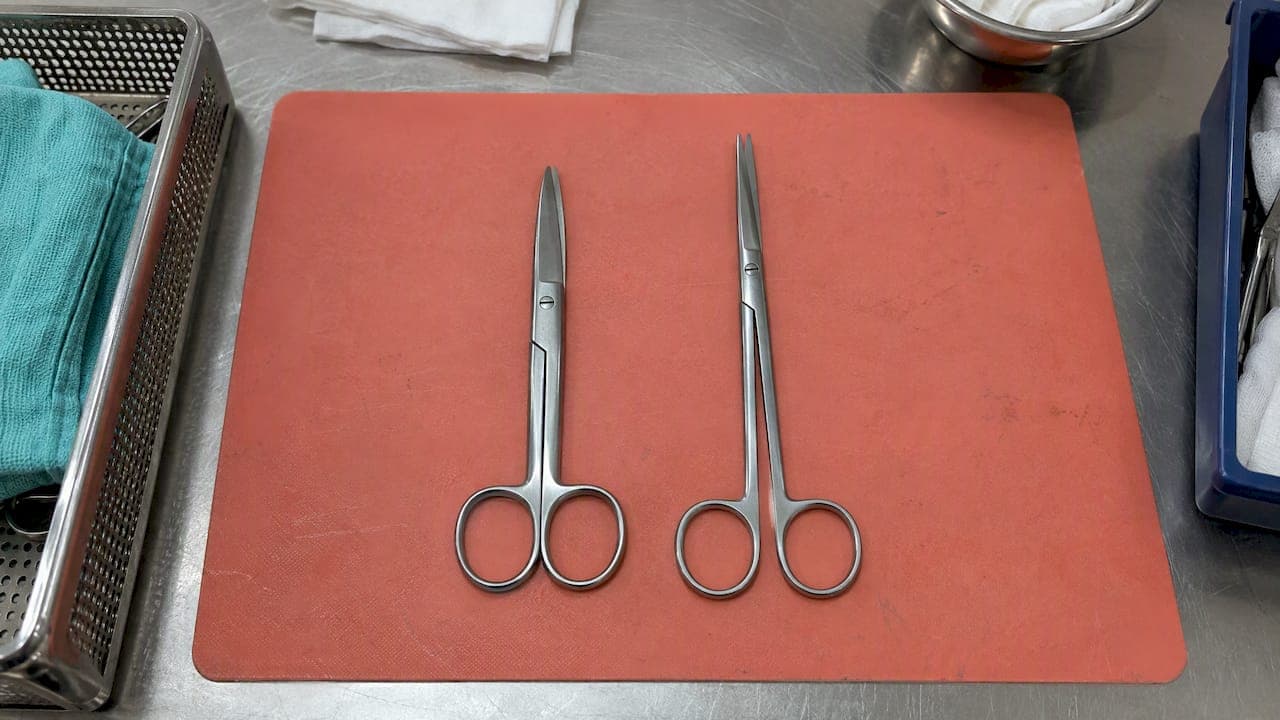
Mayo and Metzenbaum scissors look alike but do different jobs. See how blades, shanks and tips differ, when to use each, and how to care for them.
Sterile water or saline? Learn the difference in tonicity, safe uses, wound irrigation evidence, and how to choose irrigation and dressing supplies.