Double Gloving Guidelines: What U.S. Teams Should Follow
What CDC, OSHA, AORN and WHO say about double gloving, when to do it, how to don two pairs, and what procurement teams should stock for compliance.

Surgical supplies form the backbone of every operating room. They ensure procedures run smoothly and safely. Understanding key surgical supply categories helps maintain efficiency and readiness. This guide breaks down the essentials. It targets hospitals, clinics, and medical distributors seeking reliable supply knowledge.
Surgical supplies fall into several main categories. Each serves a specific role during procedures. Knowing these categories helps streamline procurement and inventory management.
1. Surgical Instruments
These are the tools surgeons use to perform operations. They include:
Retractors
Instruments must be sterile and durable. They come in stainless steel or disposable forms. Proper maintenance extends their lifespan.
2. Surgical Drapes and Gowns
These protect patients and staff from contamination. Drapes cover the patient and surrounding areas. Gowns protect surgical teams. Materials vary from reusable fabrics to single-use synthetics. They must meet strict sterility standards.
3. Sutures and Staples
Used to close wounds and surgical incisions. Sutures come in absorbable and non-absorbable types. Staples offer quick closure for certain procedures. Choosing the right type depends on the surgery and patient needs.
4. Surgical Gloves
Gloves provide a sterile barrier. They come in latex, nitrile, and vinyl. Sizes and thickness vary. Gloves must fit well to maintain dexterity and prevent contamination.
5. Surgical Disposables
Single-use items reduce infection risk. Examples include:
Suction tubes
Disposables must be stocked in adequate quantities to avoid shortages.

Each category has subtypes and specifications. Knowing these details improves supply chain decisions.
Instruments vary by specialty. For example, orthopedic surgery requires heavy-duty tools. Microsurgery demands fine, precise instruments. Hospitals should stock instruments based on their surgical specialties.
Sterilization methods include autoclaving and chemical sterilants. Instruments must withstand these processes without damage.
Material choice affects comfort and protection. Reusable gowns require laundering and inspection. Disposable gowns reduce handling but increase waste. Consider facility capabilities when selecting.
Barrier properties prevent fluid penetration. This is critical in surgeries with high infection risk.
Suture material affects healing. Absorbable sutures dissolve over time, ideal for internal tissues. Non-absorbable sutures require removal or remain permanently. Staples speed closure but may cause more scarring.
Surgeons often prefer specific brands or types. Stocking a variety ensures readiness.
Latex gloves offer excellent fit but may cause allergies. Nitrile gloves provide a latex-free alternative with good durability. Vinyl gloves are less durable but cost-effective for low-risk tasks.
Proper glove inventory prevents cross-contamination and maintains safety.
Single-use items must be reliable and sterile. Stock levels should match surgical volume. Overstocking ties up capital; understocking risks procedure delays.
Regular audits help maintain optimal inventory.

Selecting supplies requires balancing quality, cost, and availability. Follow these steps:
Analyze the types and volume of surgeries performed. Identify critical supplies for each procedure.
Choose suppliers with proven delivery records. Consistent supply prevents operation disruptions.
Compare prices without sacrificing quality. Bulk purchasing can reduce costs.
Ensure supplies meet FDA or relevant health authority standards.
Implement systems to track usage and reorder points. Avoid stockouts and excess inventory.
Using a trusted distributor like queenssurgical can simplify this process. They offer competitive pricing and reliable delivery across the Americas.
Supply readiness impacts patient outcomes. Follow these best practices:
Establish emergency reorder protocols.
Effective supply management reduces waste and ensures availability during critical moments.
Technology and sustainability shape the future of surgical supplies.
Automated tracking improves accuracy and reduces manual errors.
Biodegradable disposables and reusable alternatives gain traction.
New methods reduce turnaround time and enhance safety.
3D-printed instruments and patient-specific implants become more common.
Staying informed about these trends helps facilities adapt and optimize supply chains.
Mastering surgical supply categories is essential for operational success. Focus on quality, reliability, and cost-effectiveness. Use data-driven inventory management. Partner with dependable suppliers to maintain seamless supply chains.
This approach supports safe, efficient surgical care. It also aligns with goals to expand reach and maintain competitive pricing. Prioritize these essentials to keep surgical teams equipped and ready.
What CDC, OSHA, AORN and WHO say about double gloving, when to do it, how to don two pairs, and what procurement teams should stock for compliance.
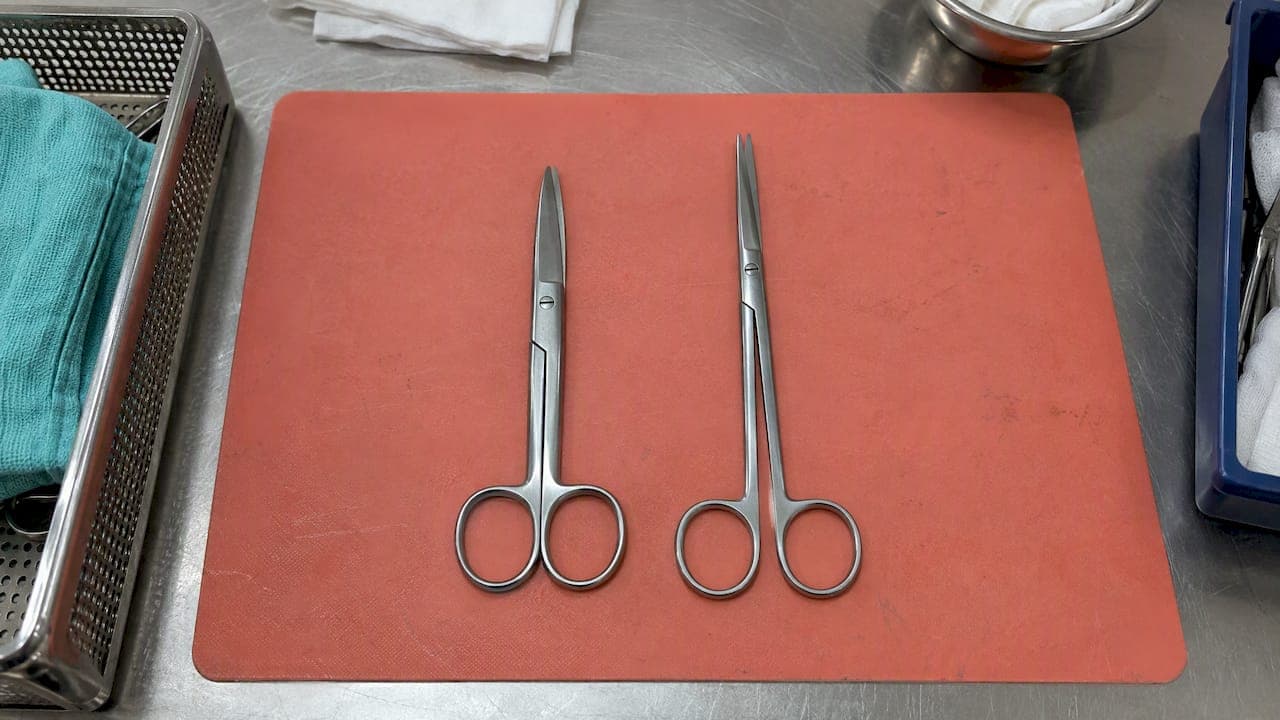
Mayo and Metzenbaum scissors look alike but do different jobs. See how blades, shanks and tips differ, when to use each, and how to care for them.
Sterile water or saline? Learn the difference in tonicity, safe uses, wound irrigation evidence, and how to choose irrigation and dressing supplies.