Double Gloving Guidelines: What U.S. Teams Should Follow
What CDC, OSHA, AORN and WHO say about double gloving, when to do it, how to don two pairs, and what procurement teams should stock for compliance.

Sourcing surgical supplies efficiently impacts patient care and operational costs. I focus on strategies that streamline procurement, reduce waste, and ensure timely delivery. This guide offers actionable tips to optimize surgical supplies sourcing.
Start by assessing your facility’s specific needs. Categorize supplies by type, usage frequency, and criticality. Track consumption patterns over time to identify high-demand items and seasonal variations.
Prioritize essential items to avoid stockouts.
For example, surgical gloves and sterile drapes require constant availability. Less critical items can have flexible reorder points. This approach prevents overstocking and reduces storage costs.

Develop partnerships with reliable suppliers. Evaluate vendors based on product quality, pricing, and delivery reliability. Negotiate contracts that include favorable terms such as volume discounts and flexible payment options.
Establish clear communication channels.
I recommend maintaining a shortlist of approved suppliers. This reduces risk if one vendor faces supply disruptions. Also, consider suppliers who offer integrated inventory management tools to simplify ordering.
Implement inventory management software tailored for surgical supplies. Automation reduces manual errors and improves reorder accuracy.
Analyze usage trends with built-in reporting tools.
Technology helps maintain optimal stock levels and prevents emergency orders. It also supports compliance by tracking lot numbers and expiration dates.

Streamline ordering by consolidating purchases. Bulk orders reduce shipping costs and administrative workload. Schedule deliveries to align with usage patterns and storage capacity.
Coordinate with suppliers for reliable lead times.
Consider partnering with distributors like queenssurgical who specialize in medical supplies. They often provide competitive pricing and dependable delivery across the Americas.
Regularly inspect incoming supplies for defects or inconsistencies. Maintain documentation for audits and regulatory compliance.
Keep records of product certifications and expiration dates.
Quality control prevents surgical delays and protects patient safety. It also supports accreditation requirements and reduces liability risks.
Review sourcing strategies periodically. Gather feedback from surgical teams and procurement staff. Adjust processes based on changing needs and market conditions.
Explore new technologies and sourcing options.
Continuous improvement ensures your supply chain remains efficient and responsive. It also helps maintain cost-effectiveness and high service levels.
Efficient surgical supplies sourcing requires discipline and strategic planning. By applying these tips, healthcare providers can secure essential materials reliably and economically.
What CDC, OSHA, AORN and WHO say about double gloving, when to do it, how to don two pairs, and what procurement teams should stock for compliance.
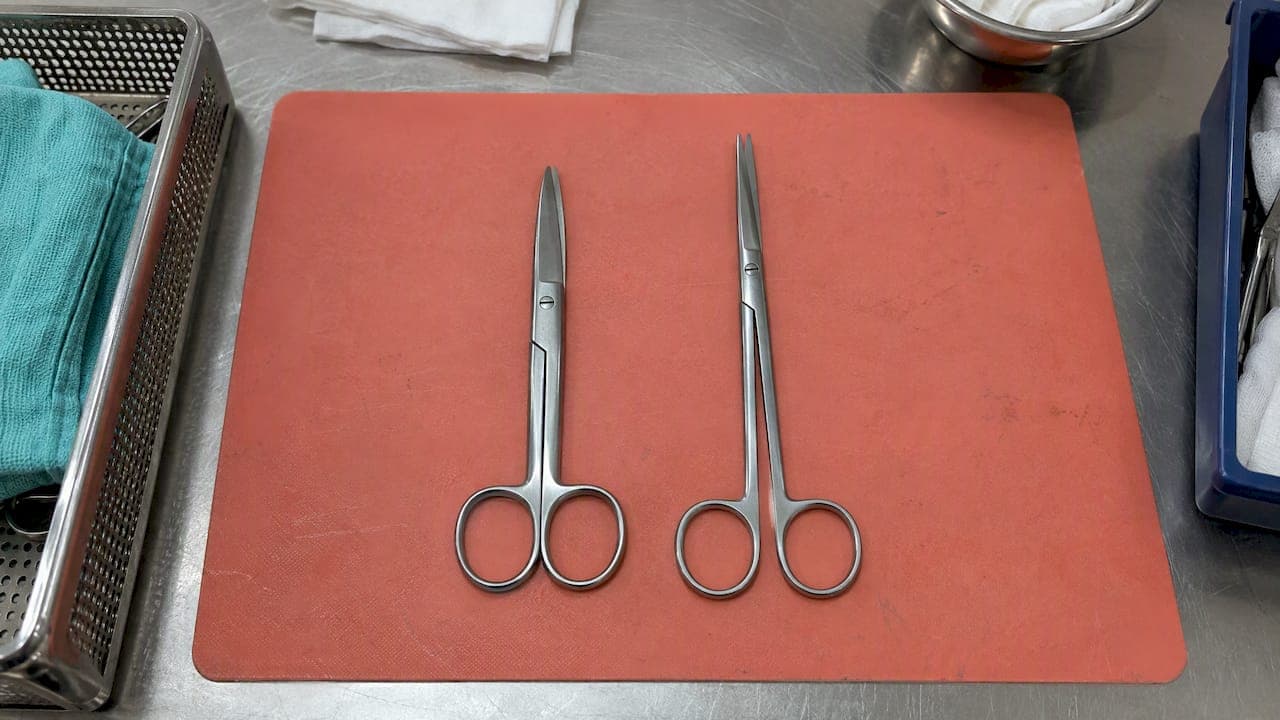
Mayo and Metzenbaum scissors look alike but do different jobs. See how blades, shanks and tips differ, when to use each, and how to care for them.
Sterile water or saline? Learn the difference in tonicity, safe uses, wound irrigation evidence, and how to choose irrigation and dressing supplies.