Double Gloving Guidelines: What U.S. Teams Should Follow
What CDC, OSHA, AORN and WHO say about double gloving, when to do it, how to don two pairs, and what procurement teams should stock for compliance.

Surgical kits form the backbone of any operating room. They contain the tools needed to perform procedures safely and efficiently. I focus on the key components that every essential surgical kit must include. This ensures readiness for a wide range of surgeries and supports smooth workflow.
Essential surgical kits vary by procedure but share core instruments. These kits provide sterile, organized access to tools. They reduce preparation time and minimize risk of contamination. A well-stocked kit supports surgeons and staff in delivering quality care.
The basic components include cutting, grasping, clamping, and suturing instruments. Each tool serves a specific function. For example, scalpels cut tissue, forceps hold or manipulate, clamps control bleeding, and needle holders assist in suturing.
Hospitals and clinics rely on trusted suppliers to maintain these kits. I recommend sourcing from reputable distributors like queenssurgical to ensure quality and availability.

Every surgical kit must contain a set of core instruments. These include:
Retractors: Hold back tissue to expose the surgical site.
Each instrument must be made of high-grade stainless steel. This ensures durability and easy sterilization. Kits should include multiple sizes and types to cover various surgical needs.
Sterility is non-negotiable. Surgical kits must be packaged to maintain sterility until use. I emphasize the importance of:
Clear Labeling: Include contents, sterilization date, and expiration.
Sterilization methods include autoclaving, ethylene oxide gas, or gamma radiation. The chosen method depends on the instrument material and kit configuration.
Proper packaging reduces infection risk and ensures compliance with health regulations. It also facilitates quick identification and inventory management.

Not all surgeries require the same instruments. Custom kits improve efficiency by including only necessary tools. For example:
Gynecological Kits: Include speculums and uterine sounders.
Custom kits reduce clutter and speed up surgical prep. They also help control costs by avoiding unnecessary instruments.
When assembling custom kits, consult surgeons and nursing staff. Their input ensures the kit matches procedural needs and preferences.
Regular maintenance keeps kits ready for use. I recommend:
Replacement of Consumables: Blades, sutures, and dressings must be replenished regularly.
Use a checklist to verify kit contents before and after surgery. This prevents missing instruments and delays.
Partner with reliable suppliers to maintain stock levels. Efficient restocking supports uninterrupted surgical schedules.
High-quality surgical kits improve outcomes. They reduce procedure time and minimize errors. I stress the importance of:
Clear Organization: Kits should be arranged logically for quick access.
Investing in quality kits pays off in patient safety and staff satisfaction. It also supports compliance with healthcare standards.
Hospitals and clinics benefit from working with distributors who understand these needs. This ensures access to essential surgical kits that meet strict quality criteria.
This overview covers the key components and considerations for essential surgical kits. Proper selection, sterilization, customization, and maintenance are critical. These steps ensure surgical teams have the tools they need to perform effectively and safely. For dependable supply and expert support, consider trusted partners like queenssurgical.
What CDC, OSHA, AORN and WHO say about double gloving, when to do it, how to don two pairs, and what procurement teams should stock for compliance.
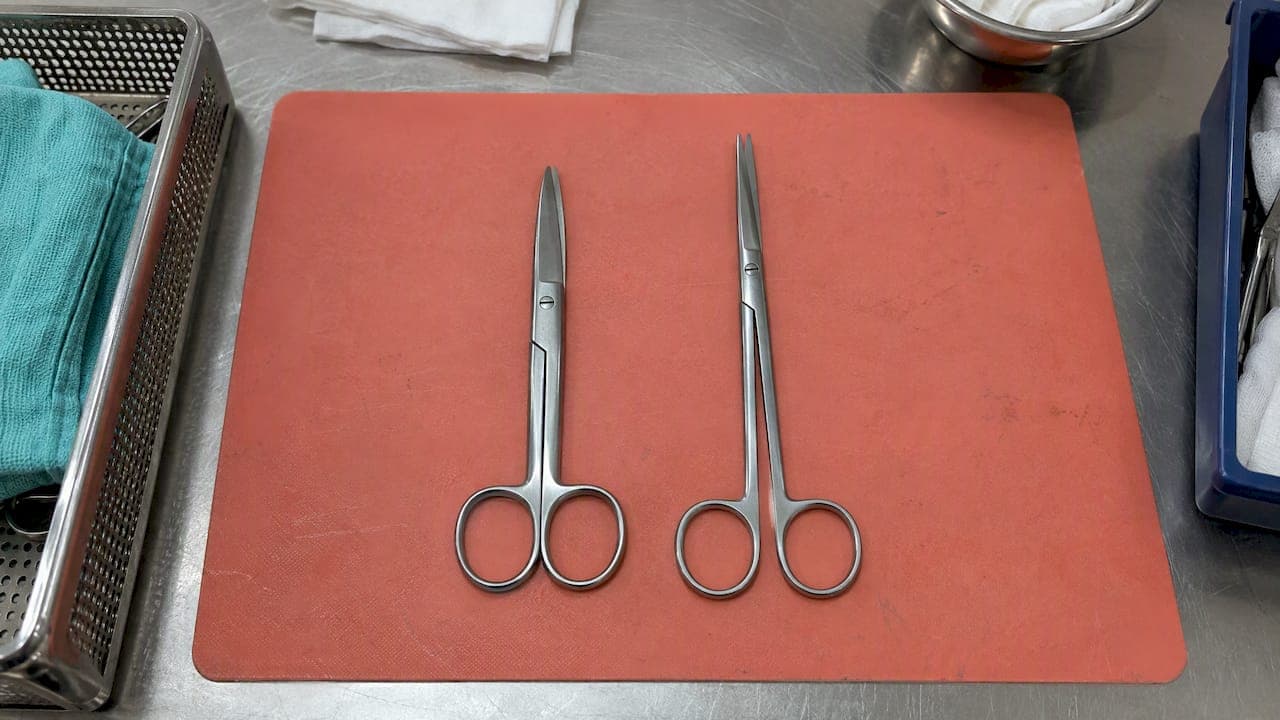
Mayo and Metzenbaum scissors look alike but do different jobs. See how blades, shanks and tips differ, when to use each, and how to care for them.
Sterile water or saline? Learn the difference in tonicity, safe uses, wound irrigation evidence, and how to choose irrigation and dressing supplies.