Double Gloving Guidelines: What U.S. Teams Should Follow
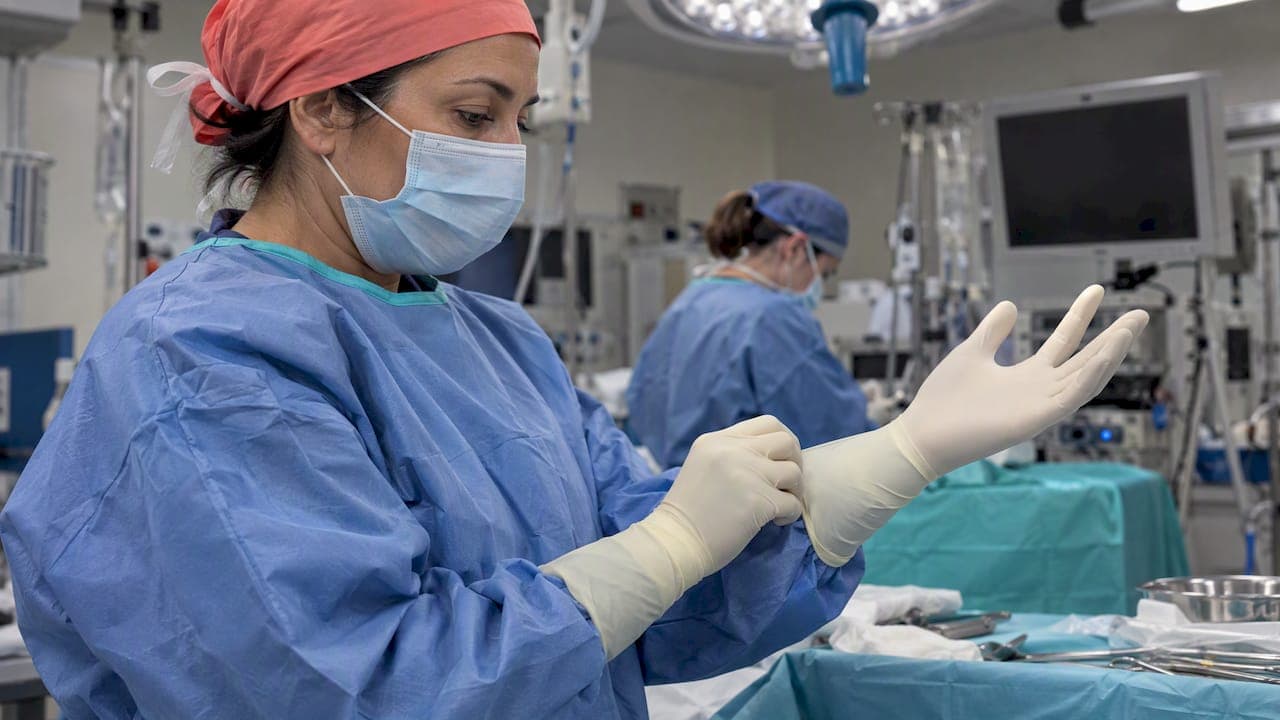
What CDC, OSHA, AORN and WHO say about double gloving, when to do it, how to don two pairs, and what procurement teams should stock for compliance.
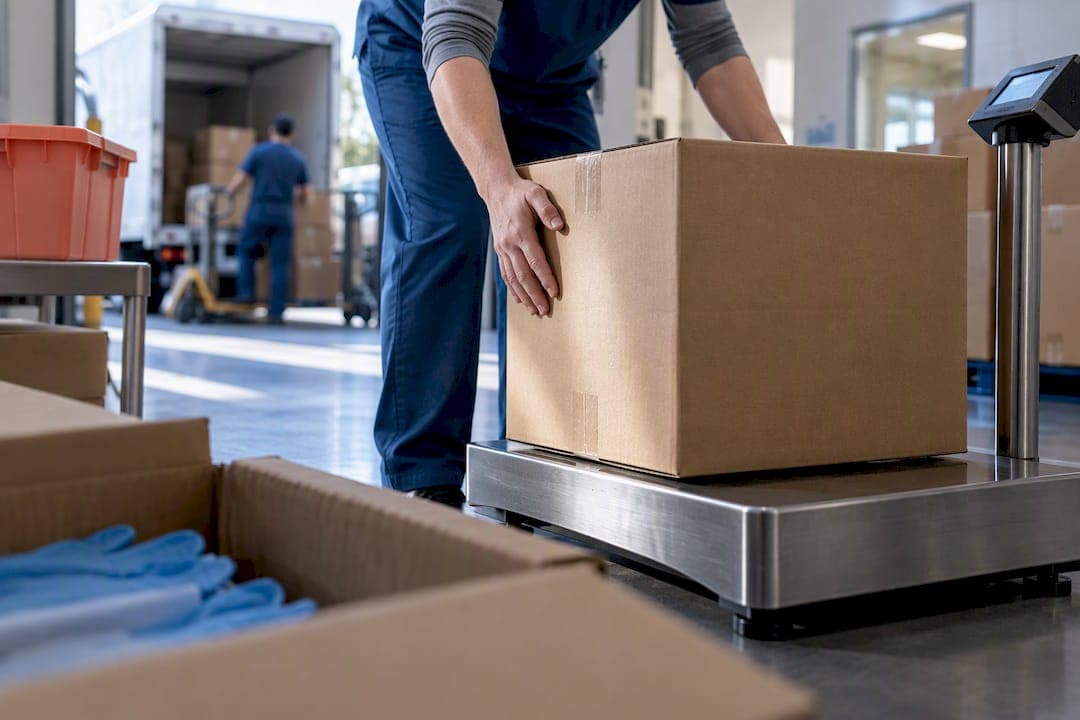
Expect standard exam-grade nitrile to run roughly $80 to $140 per 1,000 gloves in 2026, with cleanroom and sterile grades priced well above that band. Tariff escalation and raw material swings are pushing costs upward in bursts rather than a steady climb. Procurement teams should review supplier lead times and confirm how long current quotes remain valid before committing to new contracts.
TL;DR:
Source Gloves And Medical Supplies
Browse Queens Surgical for nitrile gloves and other medical products serving healthcare professionals, clinics, hospitals, and purchasing teams.
Prices vary widely by grade, packaging, and how the purchase is structured. A retail box bought on demand costs more per glove than the same product locked into a contracted, vendor-managed inventory arrangement.
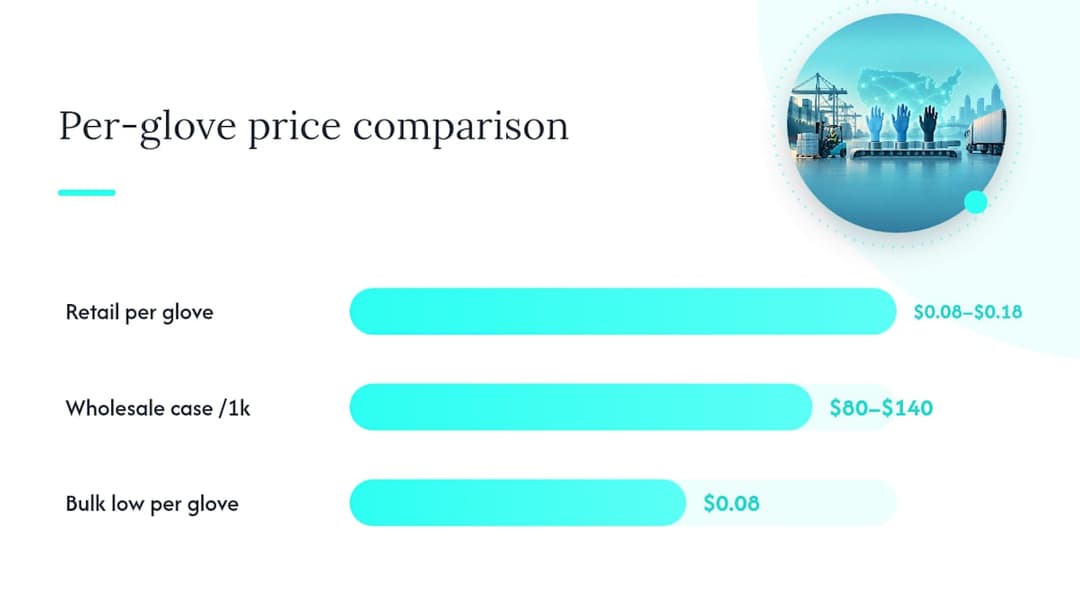
Reported per-glove retail and bulk ranges in 2026 run roughly $0.08 to $0.18 depending on grade, thickness, and order size, with bulk purchasing cutting the per-unit cost noticeably. Wholesale case pricing for standard exam-grade nitrile sits in the $80 to $140 per 1,000 range noted above, while cleanroom and sterile variants carry a premium tied to certification and processing.
A few notes shape how these bands translate into an actual purchase order:
Choosing the right grade matters as much as chasing the lowest quote. Buyers weighing thickness against cost can find more detail in this guide to nitrile glove thickness, and teams unsure which AQL level fits their clinical risk should see this breakdown of glove AQL levels.
Nitrile glove pricing tracks a chain of upstream inputs that started before the glove ever reaches a warehouse. Acrylonitrile and butadiene, the two building blocks of NBR (nitrile butadiene rubber), moved in wide ranges through 2026 as producers adjusted output to demand shifts and feedstock costs.
Energy prices sit at the root of that chain. Petrochemical feedstocks track crude oil movements closely, so a jump in Brent crude tends to show up in NBR pricing within a few weeks, giving buyers an early warning signal before it reaches finished glove quotes.
Geopolitical shocks have compounded the picture. Conflict in the Middle East during 2026 disrupted supply routes and contributed directly to rubber glove price hikes, prompting hospitals to build in more caution around sourcing, according to Reuters reporting.
Ocean freight adds another layer of volatility. Emergency surcharges and tight container utilization on key Asia-to-US lanes can move landed cost independently of the glove’s factory price, sometimes by more than the underlying material swing itself.
Buyers should track:
Tariff policy is now one of the most direct levers on U.S. landed cost. Section 301 duty escalation on China-origin medical gloves created a new price floor that procurement teams must model into every quote, a point industry pricing guidance has flagged as an immediate, quantifiable factor for 2026 planning.
The effect spills beyond China-origin product. As buyers shift orders toward Malaysia, Thailand, and Vietnam to avoid the duty, demand pressure in those markets rises, and manufacturers there pass a portion of that cost upstream into their own pricing. Malaysian producers have signaled carton-level price increases tied to these shifts, according to regional market reporting, and U.S. import data shows how concentrated nitrile glove imports are by origin, underscoring the exposure a tariff shift can create.
Before signing a new contract, procurement teams should check:
Price and continuity require different tactics. The following steps address both, in the order most teams should tackle them.
Pro Tip: Ask suppliers for a fixed-period price with a defined review date rather than an open-ended spot quote. It gives you a planning window without locking in a rate that ages badly.
Global glove capacity remains available, but pricing in 2026 moves in sharp, trigger-driven spikes rather than a steady climb, a pattern market analysis has emphasized for buyers planning ahead. Treat the following as a priority list.
A workable monitoring cadence: check freight surcharge notices weekly, review raw material pricing monthly, and revisit supplier contracts quarterly to confirm terms still match market conditions.
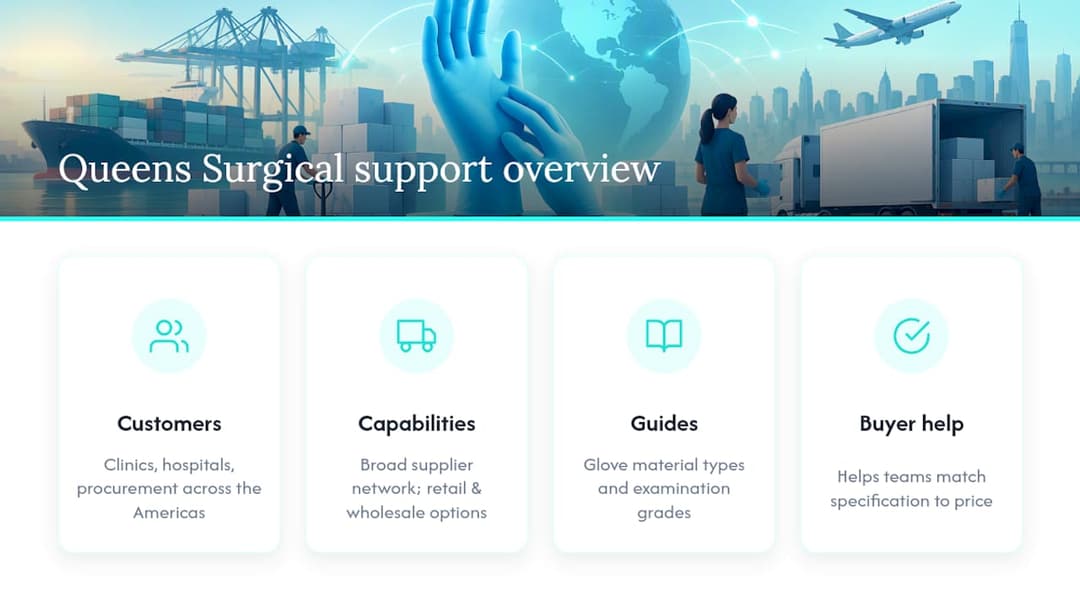
Queens Surgical supplies medical clinics, hospitals, and procurement organizations across the Americas, leveraging a broad supplier network and flexible retail and wholesale purchasing options. For teams matching specification to price, our guides on glove material types and examination glove grades walk through the tradeoffs that affect both cost and compliance.
Chasing the lowest spot price in a market this volatile usually backfires by the next order cycle. Continuity and contract clarity protect your budget better than any single low quote. Reach out to Queens Surgical when you need a partner to help balance both.
— QB
Volume pricing and steady supply matter more than a one-time low bid when tariffs and freight costs keep shifting. Queens Surgical works with clinics, labs, and larger purchasing organizations across the Americas, offering wholesale nitrile gloves alongside broader PPE and medical disposables.
Prices are moving in sharp, trigger-driven spikes rather than a steady increase, with capacity generally available but subject to sudden jumps. Raw material swings, tariff escalation, and freight disruptions have each pushed prices up at different points in 2026.
Standard exam-grade nitrile typically runs $80 to $140 per 1,000 gloves wholesale, while per-glove retail and bulk pricing falls roughly $0.08 to $0.18 depending on grade and volume. Cleanroom and sterile variants price above these ranges.
Global capacity has remained available through 2026, but regional disruptions and tariff-driven sourcing shifts have created localized tightness rather than a broad shortage. Buyers who diversify origins and plan safety stock tend to avoid the worst of these gaps.
U.S. Section 301 duty escalation on China-origin medical gloves has created a firmer price floor for those SKUs, and demand has shifted toward Malaysia, Thailand, and Vietnam as a result. That shift has pushed some regional manufacturers to raise their own prices as demand concentrates in fewer markets.
What CDC, OSHA, AORN and WHO say about double gloving, when to do it, how to don two pairs, and what procurement teams should stock for compliance.
Mayo and Metzenbaum scissors look alike but do different jobs. See how blades, shanks and tips differ, when to use each, and how to care for them.
Sterile water or saline? Learn the difference in tonicity, safe uses, wound irrigation evidence, and how to choose irrigation and dressing supplies.