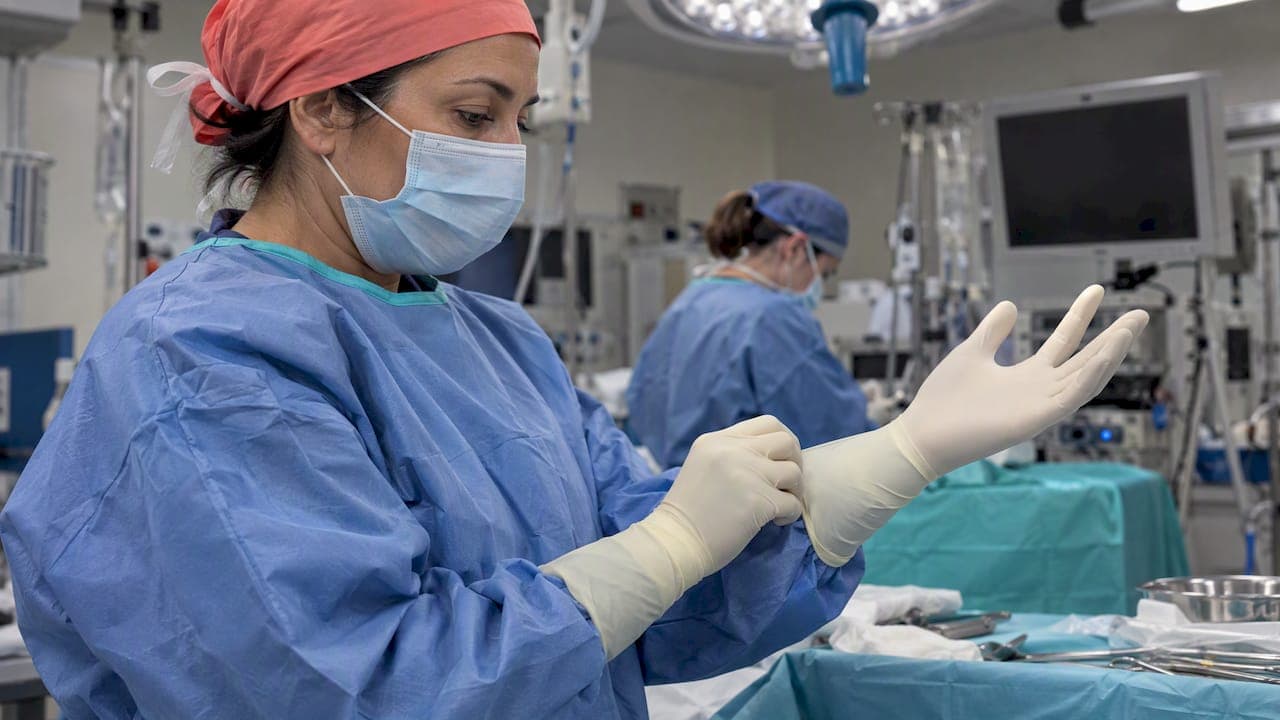
Double Gloving Guidelines: What U.S. Teams Should Follow
What CDC, OSHA, AORN and WHO say about double gloving, when to do it, how to don two pairs, and what procurement teams should stock for compliance.
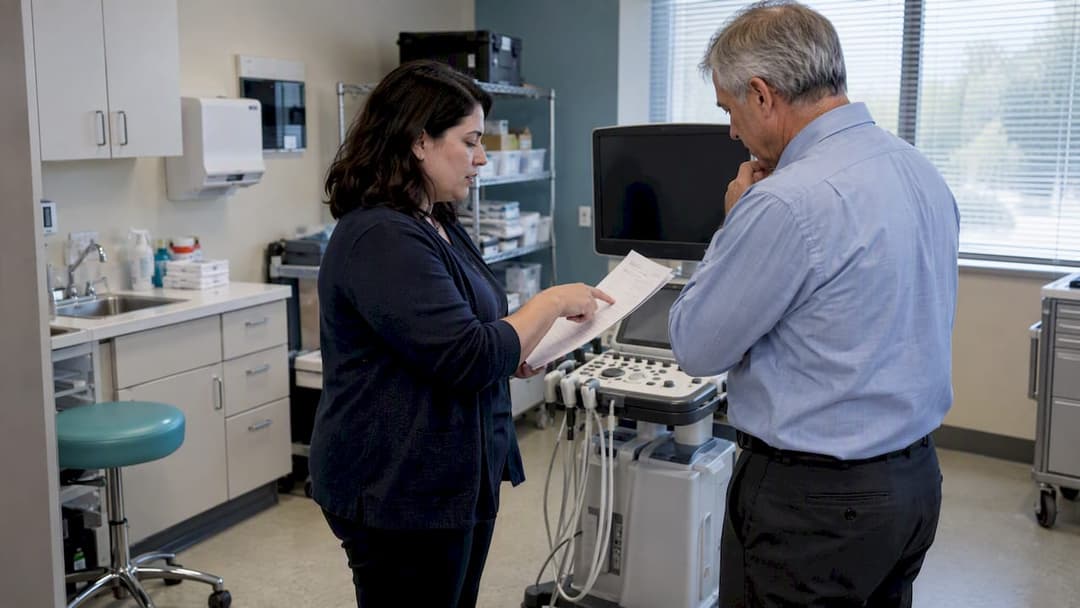
U.S. medical practices typically choose among five paths: equipment loans for outright ownership, leases for flexibility and frequent upgrades, SBA 7(a) loans for large purchases with long maturities, vendor financing for speed, and lines of credit for working capital gaps. The right fit depends on how long you plan to use the equipment, your cash position, and how fast you need a decision.
TL;DR:
Source Medical Equipment With Confidence
Browse medical supplies, instruments, equipment, and wellness products for your practice or healthcare organization.
Each financing path solves a different problem, and the clinical equipment involved often points toward one option over another.
Imaging systems and other high-value, long-lived equipment tend to fit loans or SBA financing. Durable medical equipment with shorter useful lives, or technology that gets replaced every few years, often fits a lease better. The general rule: match the financing term to how long you will actually use the equipment, not to the lowest advertised payment.
A secured equipment loan uses the equipment itself as collateral, and the repayment schedule is usually set to track the asset’s useful life so you are not still paying for a machine you have already retired. Lenders amortize the loan over a term that roughly mirrors depreciation, which keeps you from carrying debt on equipment that has lost most of its value.
SBA 7(a) loans work differently. They can fund the purchase and installation of machinery and equipment, and when the equipment’s IRS-defined useful life supports it, maturities can run up to 15 years, which spreads payments further than most conventional equipment loans allow.
Maximum 7(a) loan amounts can reach several million dollars, according to the Small Business Administration, making it one of the few paths that can cover a full imaging suite or an operating room buildout in one facility.
Lenders evaluating either option commonly review:
For mixed-purpose loans where more than half the proceeds go to real estate, maturities can extend further still, and lenders may require flood insurance if the collateral property sits in a special flood hazard area, according to an SBA policy notice.
An operating lease works like a long-term rental: you use the equipment, make payments, and return it or renew at the end of the term, with no ownership built in. A capital lease (sometimes called a finance lease) is structured more like a loan, often ending in a $1 buyout or a fair-market-value purchase option once the term is up.
Clinical practices lean on leasing most often for imaging systems and other equipment that gets replaced every few years as new modalities arrive. A practice upgrading ultrasound or endoscopy equipment every three to five years avoids being locked into outdated hardware.
Lease payments are generally deductible as an operating expense, which simplifies bookkeeping compared with tracking depreciation schedules on owned equipment, though the right tax treatment depends on how the lease is structured.
Pro Tip: Ask whether the lease includes a $1 buyout before signing, since that single clause determines whether you end up owning the equipment or starting over at renewal.
Many equipment manufacturers and resellers now embed financing directly into the sales process, letting you apply and get a decision without leaving the vendor’s office or website. Some of these programs can return credit decisions in as little as 2 to 4 hours, according to Crestmont Capital, and they frequently bundle soft costs like installation, training, and service contracts into one monthly payment.
The tradeoff is comparison shopping. Vendor financing is fast and convenient, but the rate and terms are set by a single relationship rather than a competitive bid. Independent lenders take longer but give you leverage to negotiate.
Before signing a vendor program, ask what the total cost looks like versus an independent quote, whether the rate is fixed for the full term, and whether early payoff carries a penalty. Provider-facing resources like Agnes America’s provider tools illustrate how these point-of-sale programs are typically structured on the vendor side.
A line of credit makes more sense than a term loan or lease when the purchase is smaller, the timing is uncertain, or you need to bridge a gap between a reimbursement cycle and an equipment bill. Unlike a fixed-term loan, you draw only what you need and pay interest only on the outstanding balance.
Typical features include variable interest rates tied to a benchmark, interest-only payments during the draw period, and renewal terms that let you keep the facility open for future needs rather than reapplying each time.
A line of credit pairs well with a term loan or lease that covers the equipment itself, leaving the revolving facility free for the smaller, unpredictable costs around it.
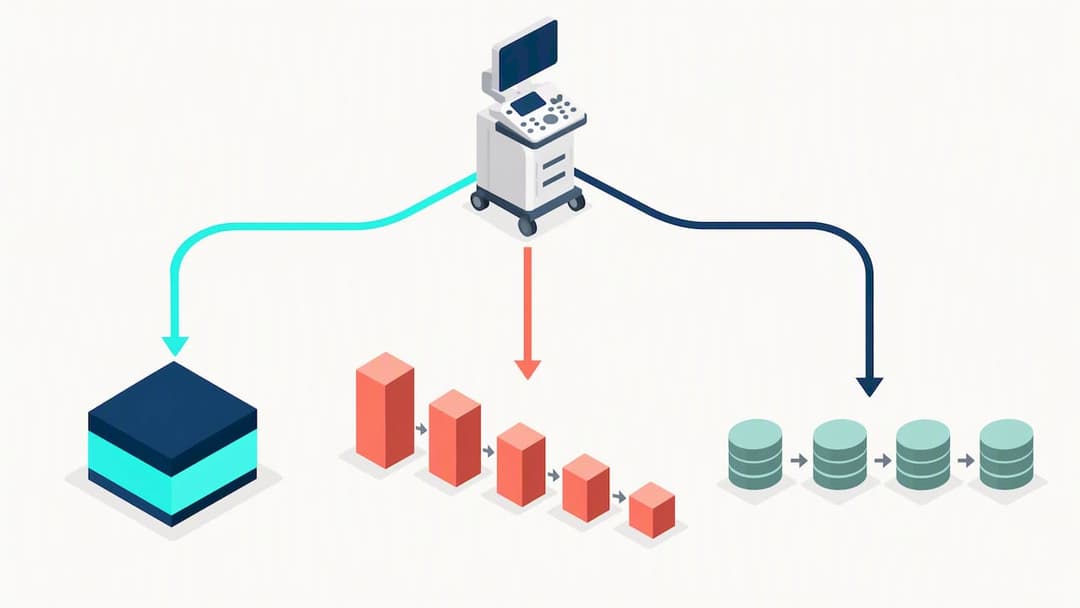
Buying versus leasing changes your tax picture, and the numbers are specific enough to budget around. For tax year 2026, the maximum Section 179 deduction is $2,560,000, and the deduction phases out dollar-for-dollar once qualifying purchases exceed $4,090,000 in a single year, according to IRS Publication 946. That means most practices can expense the full cost of purchased equipment in the year it goes into service rather than spreading it out.
Equipment that is not fully expensed under Section 179 is typically depreciated under MACRS, which lets you recover the cost over a set recovery period through annual deductions. Faster depreciation in the early years reduces taxable income sooner, which can improve cash flow in the years right after a major purchase.
Because leasing shifts the tax treatment from depreciation to a simple expense deduction, it can simplify year-end accounting even when the total cost over the lease term runs close to what a purchase would cost. A CPA familiar with your practice’s equipment needs should confirm which treatment applies before you sign.
The sticker price on a piece of equipment is rarely the full cost. Installation, staff training, and service contracts, sometimes called soft costs, can often be rolled into the financed amount rather than paid separately in cash, according to Biz2Credit’s financing guide, which preserves working capital at the time of purchase.
Pro Tip: Ask every lender or vendor for the total amount repaid over the full term, not just the monthly figure. A lower payment stretched over a longer term can cost more overall.
Match the financing type to the goal: choose a loan or SBA 7(a) when you want ownership and plan to use the equipment for its full useful life, choose a lease when you expect to upgrade within a few years, and choose a line of credit when the purchase is smaller or the timing is uncertain.
Treat a reluctance to put terms in writing, vague answers about total cost, or pressure to sign same-day as red flags that warrant a second opinion before committing.
Financing covers the equipment, but the consumables and instruments that keep it running are a separate budget line worth planning alongside it. Queens Surgical operates as a wholesale and retail supplier across the Americas, carrying categories that span medical equipment, wound care, respiratory, urology, disposables, PPE, and medical instruments and tools, with both B2B and B2C purchasing options.
A practical split many practices use: finance the durable equipment itself through a loan, lease, or vendor program, and source the ongoing consumables and smaller instruments separately through a supplier built for recurring orders.
Keeping these budgets separate avoids inflating a loan or lease with items that depreciate in weeks rather than years.
The mistake most practices make is choosing financing based on the lowest monthly payment rather than the equipment’s actual useful life. A lease on a machine you will use for a decade costs more than a loan would, and a 7-year loan on equipment you will replace in three years leaves you paying for something you no longer use.
Get two written quotes before signing anything, ask your CPA how Section 179 applies to your specific purchase, and ask every vendor directly whether service and training are bundled into the payment or billed separately.
— QB
There is no single best lender for every practice. Equipment loans and SBA 7(a) loans tend to offer the longest terms and lowest rates for well-qualified borrowers, while vendor programs and lines of credit offer speed and flexibility, so the right choice depends on your credit, timeline, and the equipment’s useful life.
CareCredit is primarily a patient payment plan rather than a practice equipment financing tool, so the comparison depends on what you are trying to fund. For purchasing equipment itself, practices typically look at equipment loans, SBA 7(a) loans, leases, or vendor financing programs designed specifically for medical equipment purchases.
Yes. Hospitals and medical practices can use secured equipment loans or SBA 7(a) loans, which can fund the purchase and installation of machinery and equipment with maturities up to 15 years when the equipment’s useful life supports the term.
Healthcare financing is offered through a range of channels, including banks, SBA-approved lenders, equipment vendors with embedded programs, and specialty finance companies. The better question to ask any of them is how they structure maturities, soft costs, and total cost of ownership, since those terms vary more than the lender’s name suggests.
Stronger personal and business credit scores generally unlock better rates and larger loan amounts, since lenders use credit history alongside time in business and cash flow to gauge repayment risk, according to PNC Insights. Practices with limited credit history may still qualify through vendor financing or SBA-backed programs, though often at less favorable terms.
What CDC, OSHA, AORN and WHO say about double gloving, when to do it, how to don two pairs, and what procurement teams should stock for compliance.
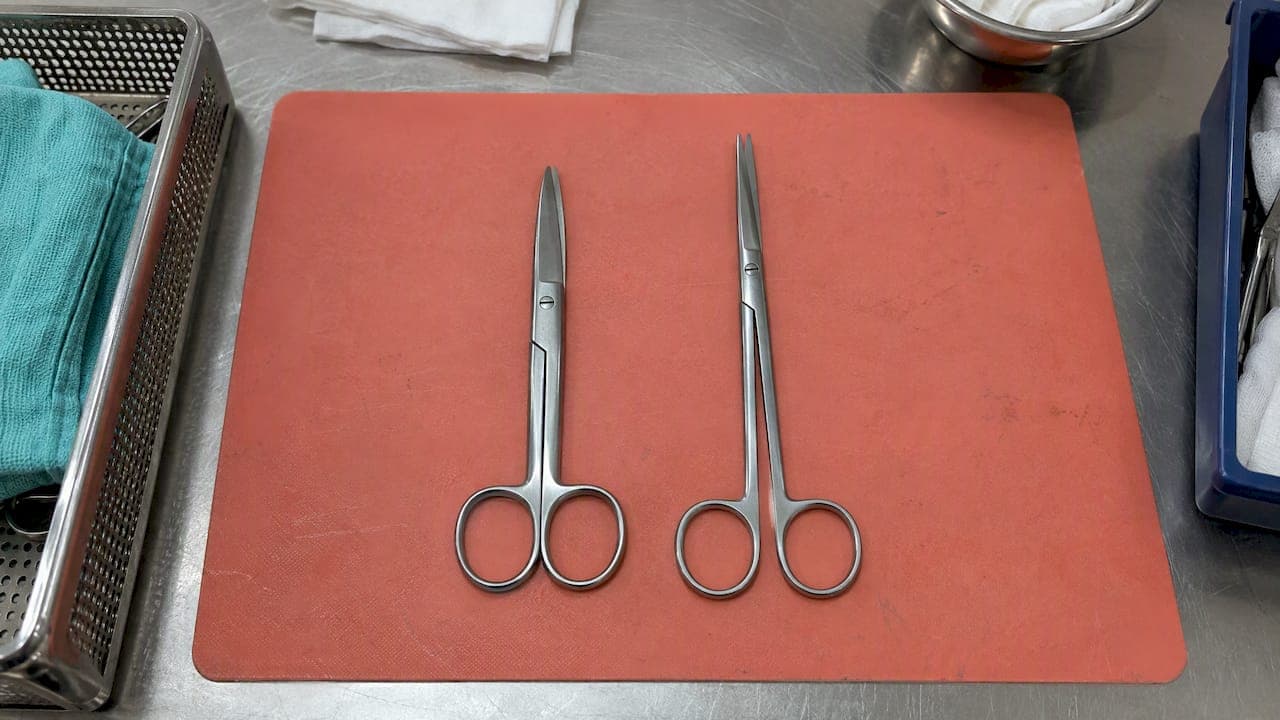
Mayo and Metzenbaum scissors look alike but do different jobs. See how blades, shanks and tips differ, when to use each, and how to care for them.
Sterile water or saline? Learn the difference in tonicity, safe uses, wound irrigation evidence, and how to choose irrigation and dressing supplies.