Double Gloving Guidelines: What U.S. Teams Should Follow
What CDC, OSHA, AORN and WHO say about double gloving, when to do it, how to don two pairs, and what procurement teams should stock for compliance.
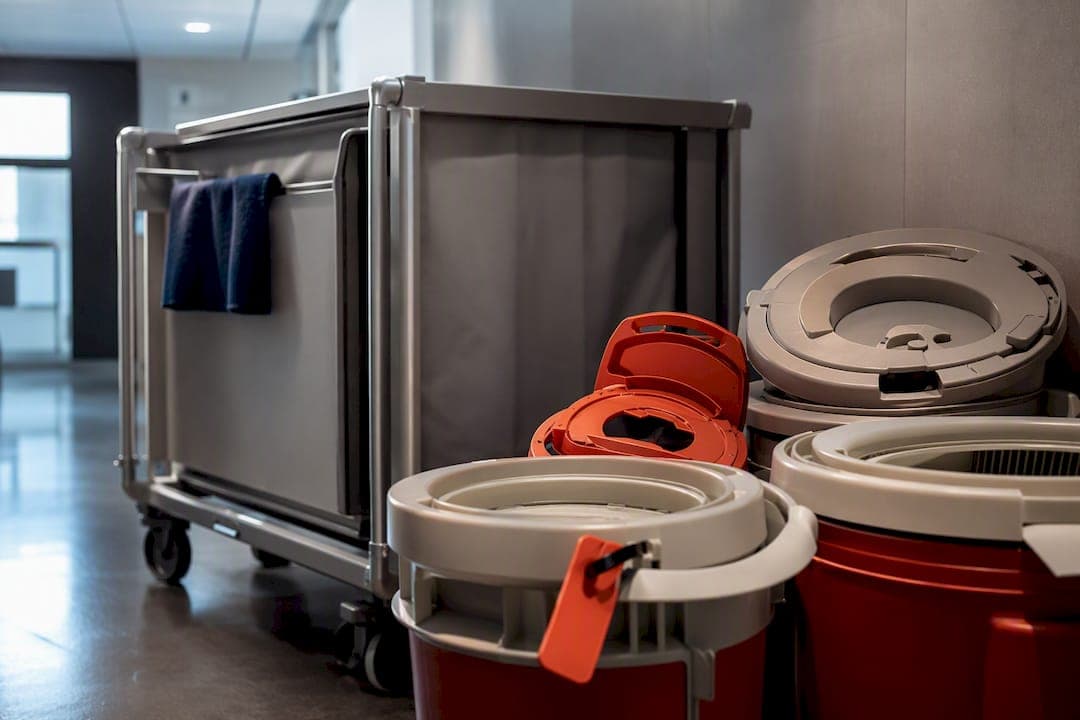
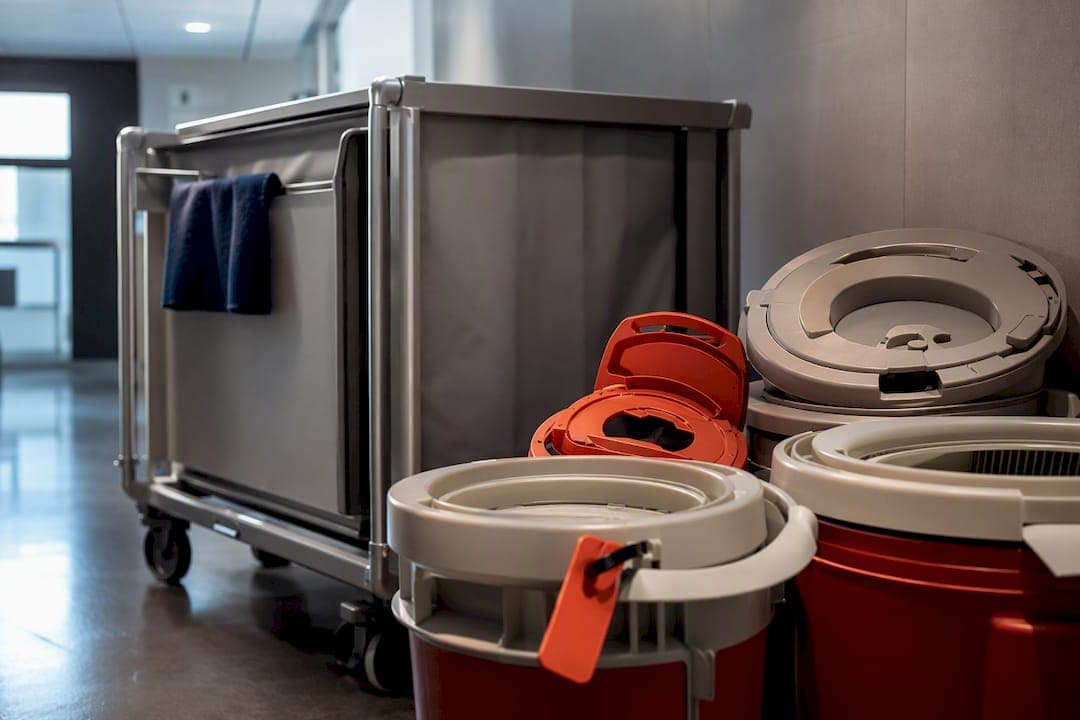
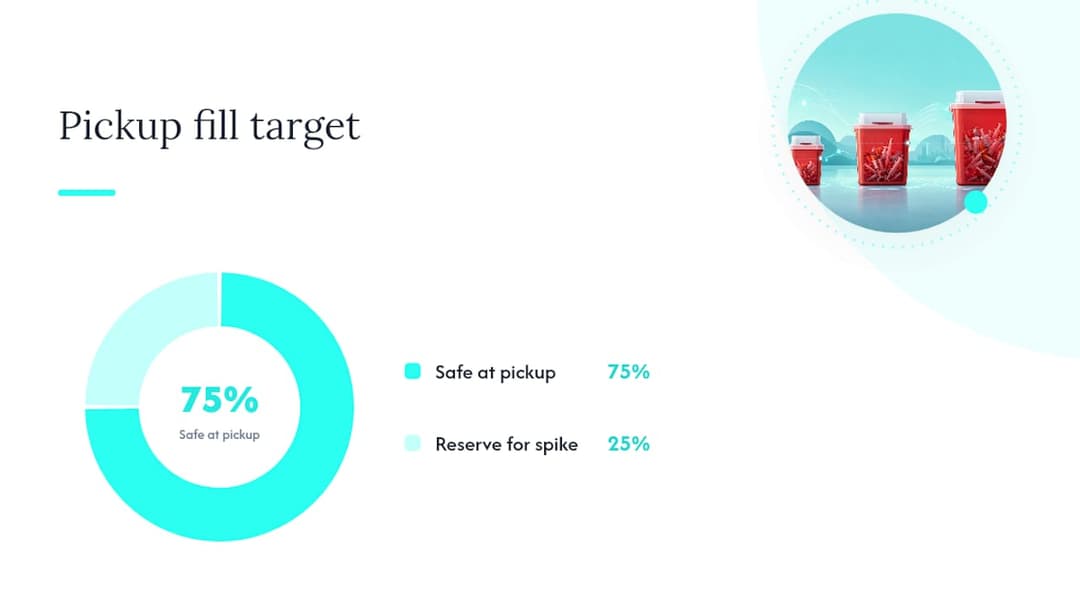
Most clinical settings use small, medium, and large sharps container size classes corresponding to typical workloads and clinical uses, with small containers suited for exam rooms and phlebotomy carts, medium containers for treatment areas, and large containers for high-volume wards and surgical suites. The rule that governs all of them is the same: swap the container when it hits about three-quarters full per FDA guidance, and choose FDA-cleared models that meet OSHA’s performance standards.
TL;DR:
Sharps disposal container sizes break down into three working tiers, and each one maps to a specific clinical rhythm rather than an arbitrary volume.
Small containers (under 4 quarts) handle low-volume, high-frequency settings. A 1 quart or 1.5 quart container fits a phlebotomy cart, a single exam room, or a home-health bag. These are compact enough to mount on a wall bracket beside a single chair and get swapped out often, sometimes daily in a busy draw station.
Medium containers (5 quarts to 2 gallons) are the workhorses of most ambulatory clinics and dental offices. A 1 gallon or 2 gallon container usually sits on a counter or wall mount and serves a room that generates a steady but moderate stream of needles, lancets, and syringes. Dental operatories often land here because they generate a mix of needles and small blades but don’t turn over sharps at hospital speed.
Large containers (2 to 8 gallons, and 8+ gallon options) belong in hospital wards, operating rooms, and any area with multiple stations feeding into one disposal point. An 8 gallon or larger container can serve a nursing unit for several days without approaching the fill line, which cuts down on how often staff have to handle a full container.
A few things to weigh beyond raw capacity:
The mismatch to avoid is picking a size based on available counter space rather than expected volume. A container that looks right on the shelf but fills in six hours creates more handling risk than a slightly larger one that lasts a full shift.
Size selection isn’t just a workflow question. It’s constrained by federal rules that dictate what a compliant container has to do, regardless of how big it is.
Under OSHA’s Bloodborne Pathogens Standard, 29 CFR 1910.1030, every sharps container in a professional setting must be:
None of these requirements specify a size. That’s deliberate. OSHA and NIOSH guidance treat container dimensions as a site-specific decision, not a one-size mandate, because a phlebotomy cart and a surgical suite have entirely different sharps profiles.
The FDA adds a device-level layer on top of that. It recommends healthcare facilities use FDA-cleared containers cleared through the 510(k) process, because those units have documented structural integrity testing behind them. Consumer-grade bins sold for home use don’t carry that clearance and aren’t built for the volume or sharpness profile of a clinical environment.
A 5-quart container and a 20-gallon container follow the identical rule; only the calendar math around how often that point gets hit changes.
DOT rules also come into play once a full container leaves the building. If there’s any chance of leakage during transport, it needs a secondary container, and the outer packaging has to carry proper hazard labeling for the trip to a waste vendor or treatment facility.
Picking a size isn’t guesswork. It’s a short analysis of what a station actually produces and how fast it fills.
Watch for these red flags once a container is in service: staff repeatedly opening the full lid to force in a device (a sign the opening is wrong for the size), sharps visibly piled near the rim before scheduled pickup, or a container that’s been in place so long nobody remembers the last swap date. Any of these point to a capacity or turnover mismatch, not a staff training problem.
Pro Tip: Run the math on your worst day, not your average day. A station that spikes on Mondays needs capacity for Monday, or it will overflow before the next scheduled pickup.
Opening design matters as much as capacity, and it’s where a lot of compliance problems actually originate.
Slot openings work well on smaller containers meant for needles and syringes only. They limit hand access, which reduces the chance of an accidental stick during disposal. Large top or funnel openings suit bigger containers in ORs and procedure rooms where bulkier devices, like biopsy needles or scalpel assemblies, need to drop in without maneuvering. Flip-top lids offer a middle ground for medium containers in busy treatment rooms where speed matters. Screw-top or locking lids are standard on containers destined for transport, since they need to stay sealed through handling.
A few operational habits apply across every size:
Before placing a bulk order, run through a short checklist:
Queenssurgical supplies the secondary containment bags and labeling sheets that round out this checklist, alongside core consumables clinics order alongside sharps supplies. One more step: state medical-waste rules vary, so confirm your facility’s requirements sit on top of the federal baseline before finalizing an order.
The most common mistake isn’t picking the wrong size outright. It’s picking a size based on what fits the counter instead of what matches actual throughput, then wondering why staff are jamming devices into an opening that’s too small. Three fixes solve most of this: match the opening to your largest device assembly, set pickup or swap frequency so volume never crosses that three-quarter line, and train staff on one-handed handling before a new container ever ships. Queenssurgical stocks the range needed to fix a mismatch fast.
— QB
For the primary rules and updates, go straight to the source:
Queenssurgical carries the container sizes, PPE, and secondary supplies clinics need to close the gap between what’s on the shelf and what a station actually requires, at wholesale pricing built for clinics ordering on a schedule rather than one bin at a time.
If your team is already juggling isolation gowns, barrier sleeves, and disposal supplies across multiple stations, the value shows up fastest when you order them together instead of chasing separate vendors for each category. Queenssurgical’s catalog covers that full loop, from the CPE thumb loop isolation gown your staff wears during sharps handling to the BP cuff barrier sleeves used in the same rooms. Browse the current catalog and place a standing order sized to your actual turnover, not a guess.
This article is general information, not a substitute for advice from a qualified doctor. Consult a qualified healthcare professional about your own circumstances before acting on anything here.
What CDC, OSHA, AORN and WHO say about double gloving, when to do it, how to don two pairs, and what procurement teams should stock for compliance.
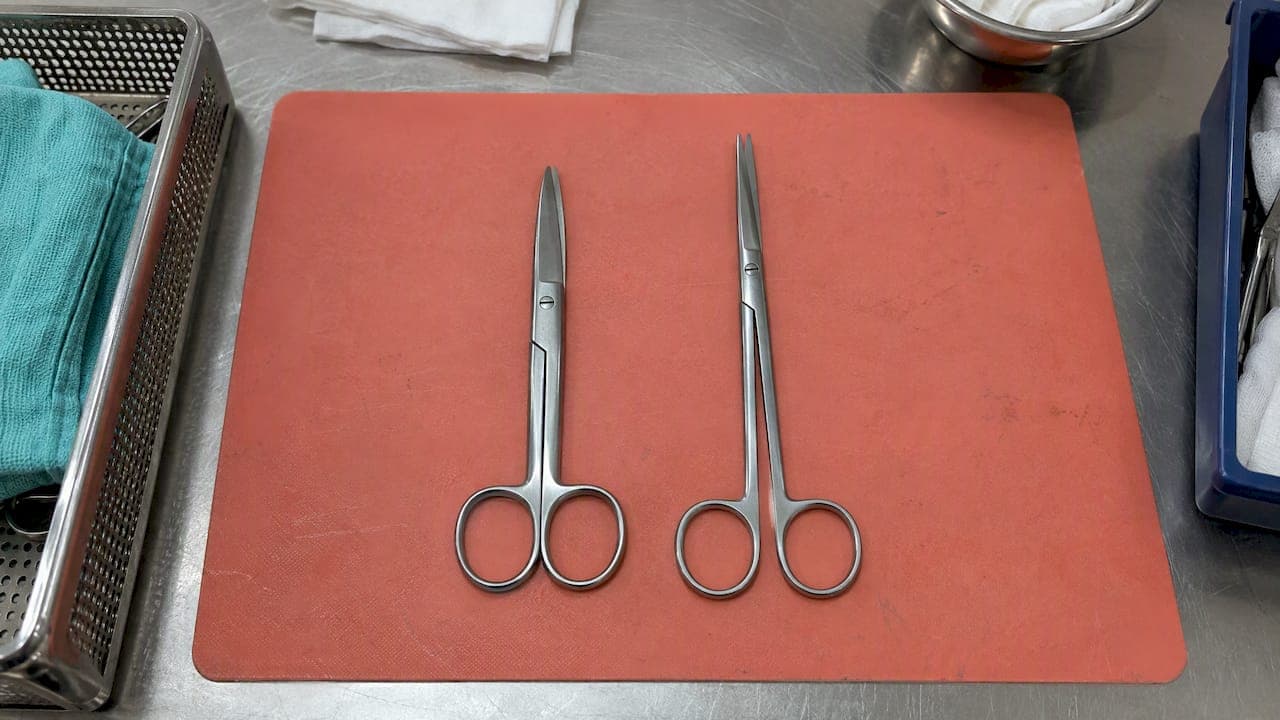
Mayo and Metzenbaum scissors look alike but do different jobs. See how blades, shanks and tips differ, when to use each, and how to care for them.
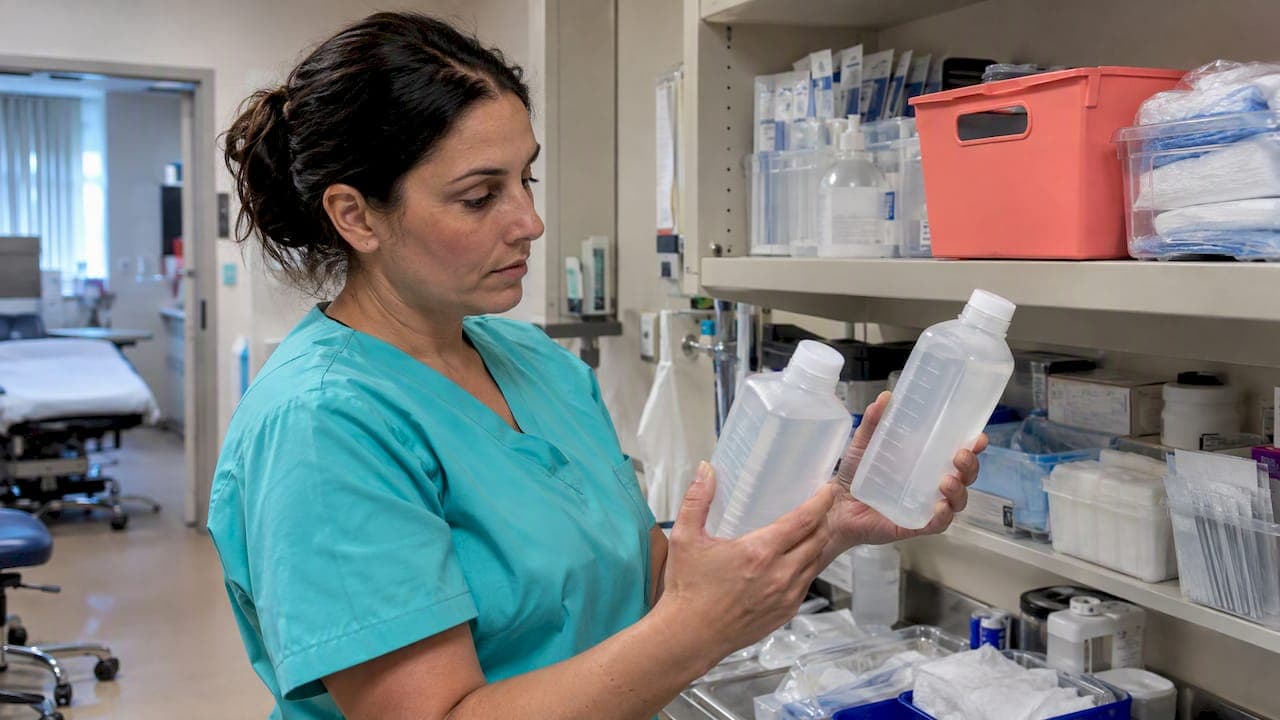
Sterile water or saline? Learn the difference in tonicity, safe uses, wound irrigation evidence, and how to choose irrigation and dressing supplies.