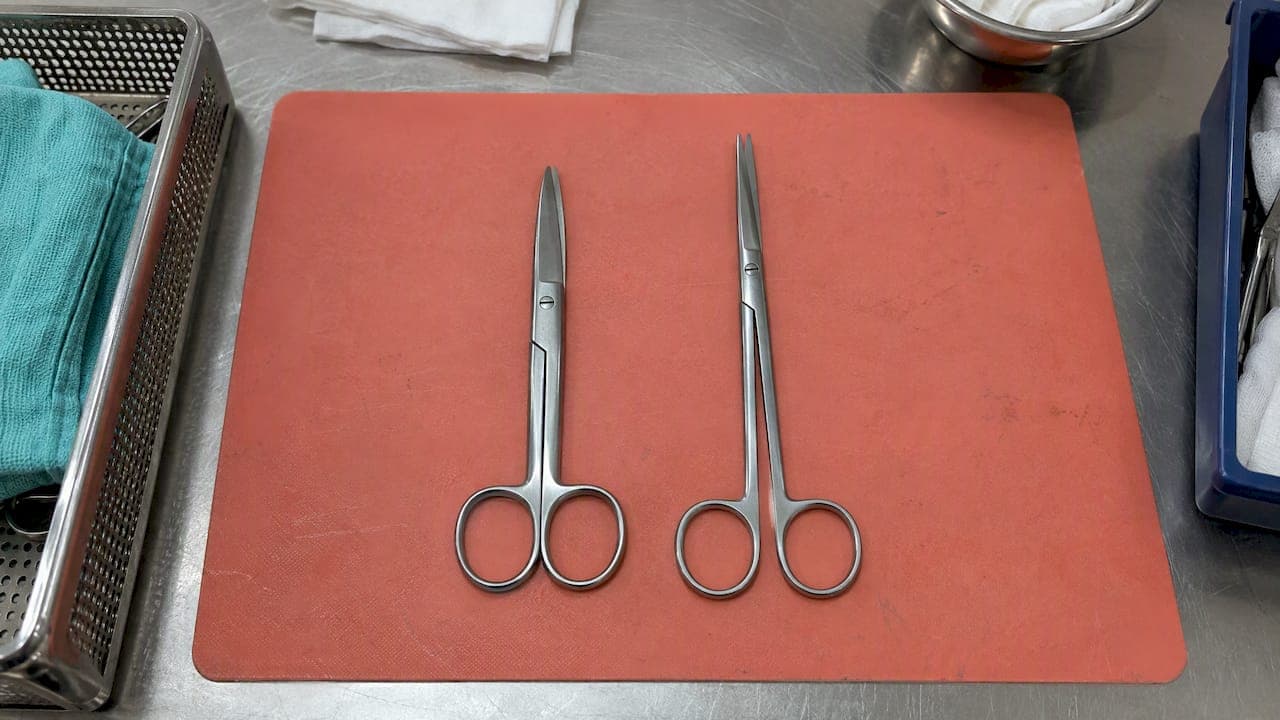
Double Gloving Guidelines: What U.S. Teams Should Follow
What CDC, OSHA, AORN and WHO say about double gloving, when to do it, how to don two pairs, and what procurement teams should stock for compliance.


Every pediatric clinic supply list should start with five priorities: pediatric-sized emergency and resuscitation gear, monitoring devices built for small bodies, vaccine cold-chain equipment, a defined medication list, and a par-level inventory system that prevents stockouts. Guidance from the American Academy of Pediatrics, the CDC, and the Joint Commission all point the same direction: readiness depends less on how much you stock and more on whether staff can find and use the right size, fast. Keep weight-based dosing tools within reach and organize pediatric items into segregated, labeled kits with daily checks.
TL;DR:
Source Essential Pediatric Clinic Supplies
Browse medical products and equipment for clinics, hospitals, and healthcare professionals through Queens Surgical’s wholesale and retail platform.
A pediatric clinic’s purchase orders should map to clinical workflow, not alphabetical convenience. Group consumables, diagnostics, respiratory equipment, wound care, PPE, medications, and vaccine supplies into separate par lists so restocking staff can scan one category at a time.
Consumables and disposables need pediatric sizing built in from the start: smaller-gauge IV cannulas, syringes calibrated for milliliter-level dosing, and pediatric urinary catheters. Monitoring and diagnostic equipment carries its own sizing problem. A standard adult blood pressure cuff produces inaccurate readings on a toddler’s arm, so clinics need a range of pediatric BP cuffs alongside pulse oximeter probes designed for smaller fingers and toes. A scale calibrated in kilograms matters here too, since weight-based dosing depends on accurate kilogram figures rather than estimated pounds.
Respiratory supplies deserve particular attention because sizing mistakes here have immediate consequences. Stock infant and child nasal cannulas, pediatric non-rebreather masks, and nebulizer kits sized for smaller airways. Wound care and procedure trays should include dressings, tape, and splints scaled down from adult versions, since an adult splint simply will not immobilize a toddler’s forearm correctly.
PPE deserves a line of its own beyond general infection control stock. Pediatric masks and smaller gowns matter for young patients who need to wear protection during a visit, and outpatient infection prevention guidance from the CDC recommends sizing PPE to the exposure risk and the population served rather than defaulting to one adult standard across every room. Our infection control supplies list covers par-level recommendations that translate directly to a pediatric setting.
Pediatric emergency equipment fails clinics most often not because it is missing, but because it is the wrong size or buried in the wrong drawer during a crisis. The AAP’s 2026 policy statement specifies infant bag-valve masks at 250 mL and child BVMs at 450 mL, alongside pediatric AED pads and weight-based dosing charts as core equipment every clinic managing pediatric emergencies should stock.
The Joint Commission’s crash-cart preparedness materials identify missing, expired, or incorrectly sized equipment as a recurring factor in unsafe incidents tied to crash carts, which makes daily verification a procurement responsibility as much as a clinical one.
Pro Tip: Store pediatric medication doses in sealed, single-use pouches labeled by weight range so staff can grab the correct dose without doing math during a code.
Vaccine cold chain failures are almost always equipment or documentation gaps, not clinical ones. The CDC’s Vaccine Storage and Handling Toolkit requires vaccine-grade refrigerators or freezers, continuous temperature monitoring devices with active alarms, and qualified transport packouts using phase-change materials for any vaccine that leaves the primary storage unit.
Procurement should also keep transport SOP forms on file for any packout used to move vaccines between sites. Our cold chain medical supplies guide walks through the practical side of ordering and maintaining this equipment.
A two-tier par system separates the items your staff touches every day from the backstock that gets reordered less frequently. Fast-moving disposables like gloves, syringes, and pediatric masks belong on a “day-of” list checked daily, while lower-turnover critical items like epinephrine and pediatric AED pads sit on a backstock list checked weekly against a reorder threshold.
Our clinic supply inventory management guide covers the two-tier model in more detail, including printable templates you can adapt to pediatric par lists.
Pro Tip: Review consumption data monthly against your par levels, not just when a stockout happens. Slow drift in usage patterns is easier to catch early than to fix after an empty shelf.
Purchase specifications should require pediatric sizing explicitly, not assume it. When writing specs for reusable devices like BVMs or laryngoscopes, require manufacturer instructions for use, warranty terms, and a service contract before the purchase order goes out.
Simulation-friendly kits are worth budgeting for separately. Research on in-situ simulation found that outpatient offices running simulation drills with academic medical center partners saw measurable improvements in preparedness and performance scores, which suggests procured equipment needs a usability check, not just a delivery confirmation.
Pediatric settings generate the same biohazard waste categories as any outpatient clinic, but the volume and mix skew differently: more vaccine syringes, more small-gauge needles, and frequent visits from young children who may be present in the room during disposal. Sharps containers should be mounted out of reach of pediatric patients, not just at standard adult height, and clinics should stock a range of container sizes so exam rooms used primarily for well visits and vaccinations are never running an oversized or undersized container.

Biohazard bags and containers for non-sharp contaminated materials, like gauze, dressings, and PPE, need their own clearly labeled bins separate from general waste and separate from sharps disposal. Outpatient infection prevention guidance from the CDC recommends dedicating administrative attention to infection prevention programs, and disposal logistics are part of that program, not an afterthought handled at the end of the day.
Procurement should treat sharps container replacement as a par-level item on the same restocking schedule as gloves and syringes, since a container filled past its fill line becomes a disposal liability. Track pickup schedules with your biohazard waste vendor and keep replacement containers on hand rather than waiting for the current one to reach capacity before ordering more.
Pediatric clinics handle a second audience alongside the patient: the parent or guardian who needs to understand a procedure or medication well enough to follow through at home. Stocking printed or digital education materials on common procedures, such as vaccination schedules, nebulizer use, or wound care instructions, reduces the number of follow-up calls a clinic fields after a visit.
Medication handouts matter particularly for pediatric dosing, where a parent giving liquid acetaminophen or an antibiotic at home needs a clear, weight-based dosing reference rather than a generic adult instruction sheet. Clinics that stock vaccine information statements alongside each immunization, as required for many vaccines, should keep a current supply on hand rather than printing on demand, since outdated versions can create compliance gaps.
Multilingual materials deserve consideration for any clinic serving a mixed-language patient population. A single-language handout on nebulizer use or fever management is far less useful if a meaningful share of your parents read a different primary language. Building this into your supply list means budgeting shelf space and reorder triggers for education materials the same way you would for gauze or syringes, since a clinic that runs out of handouts defaults to rushed verbal instructions that parents are more likely to misremember.
Neonatal and young infant patients need equipment one size class smaller than general pediatric supplies, and clinics that see this population regularly should stock a distinct neonatal kit rather than assuming their standard pediatric inventory covers it. Umbilical catheters, needed for umbilical line access in newborns, are a neonatal-specific item with no adult or general pediatric equivalent, and clinics providing newborn care should keep a small stock on hand along with the insertion supplies that accompany them.
Neonatal IV supplies also differ meaningfully from general pediatric IV equipment. Smaller-gauge cannulas, neonatal-specific tubing, and micro-drip administration sets are built for the fluid volumes and vein sizes typical of newborns, where a standard pediatric IV set can deliver too much fluid too quickly. Infant blood pressure cuffs sized below the standard pediatric range and neonatal pulse oximeter probes round out the monitoring side of a neonatal kit.
Clinics that see even occasional newborn visits should keep this equipment segregated from the broader pediatric emergency kit, labeled clearly by age or weight range, so staff reaching for pediatric supplies during a newborn visit do not default to equipment sized for an older child. The same labeling principle that governs crash-cart organization applies here: separation by size prevents the kind of selection error that costs time during an urgent newborn visit.

Stocking the right items is only half the job. Staff still need to locate and deploy pediatric equipment correctly under pressure, and that gap between what is on the shelf and what actually gets used is where readiness breaks down. Running an occasional simulation drill surfaces the sizing mistakes, missing adapters, and unfamiliar equipment that a checklist alone never catches.
Procurement teams that treat a supply list as a one-time purchase rather than an operational habit tend to rediscover the same gaps every year. Printable two-tier checklists and periodic reordering guides, like the ones referenced throughout this list, turn a static inventory into a system staff actually use.
— QB
A trusted medical supply distributor stocks pediatric-appropriate supplies across respiratory, wound care, PPE, and medical disposables categories, offering wholesale and retail ordering options with fulfillment across the Americas. That range allows procurement officers to source pediatric BVM accessories, sharps containers, and infection control supplies from a single supplier rather than juggling several vendor relationships for a single par list.
Visit Queens Surgical to browse pediatric-ready categories and place a wholesale or retail order today.
This article is general information, not a substitute for advice from a qualified doctor. Consult a qualified healthcare professional about your own circumstances before acting on anything here.
A pediatric emergency kit needs infant (250 mL) and child (450 mL) bag-valve masks, pediatric AED pads, appropriately sized airway adjuncts, and a weight-based dosing tape or chart, according to AAP guidance. These items should be segregated from adult crash-cart contents and checked daily for expiration and function.
Vaccines need vaccine-grade refrigeration, continuous temperature monitoring devices with alarms, and qualified transport packouts for any vaccine moved between sites, per the CDC’s storage and handling toolkit. Diluent should stay with its vaccine when required, and units should avoid unstable temperature zones like door shelves.
Par levels combine average daily use with supplier lead time plus a safety stock buffer, typically one to two days for critical items, based on models described in AHRQ procurement guidance. A two-tier approach separates fast-moving day-of items from backstock checked on a weekly reorder schedule.
Queens Surgical resells pediatric-appropriate items across categories including respiratory, wound care, PPE, and medical disposables, available through wholesale or retail ordering. Specific product availability and pricing can be confirmed on the Queens Surgical catalog.
Joint Commission materials on crash-cart preparedness identify incorrectly sized or expired equipment, not insufficient stock, as a recurring factor in unsafe incidents. Segregating and clearly labeling pediatric-specific items reduces selection errors more effectively than simply increasing inventory volume.
What CDC, OSHA, AORN and WHO say about double gloving, when to do it, how to don two pairs, and what procurement teams should stock for compliance.
Mayo and Metzenbaum scissors look alike but do different jobs. See how blades, shanks and tips differ, when to use each, and how to care for them.
Sterile water or saline? Learn the difference in tonicity, safe uses, wound irrigation evidence, and how to choose irrigation and dressing supplies.